Recently, I had the privilege of attending a fascinating webinar hosted by the Alan Turing Institute, where they shared the findings from their latest research on how children are engaging with generative AI. As someone who works closely with schools and organisations to develop responsible, forward-thinking AI policies, I was especially interested to hear both the data and the direct voices of children. This research, funded by the LEGO Foundation, explored not just the statistics, but also what children enjoy, what they worry about, and how these tools are shaping their learning, creativity, and wellbeing.
For anyone who works with children, whether you’re a teacher, parent, carer, youth worker, or involved in developing technology, these findings are important. They offer both encouragement about AI’s potential and caution about the gaps and risks we need to address.
How the Research Was Conducted
The study combined two main strands of work:
• Surveys — Over 780 children aged 8–12 and their caregivers, plus more than 1,000 teachers, were surveyed about how generative AI is being used and its perceived impacts on creativity, learning, and wellbeing.
• Workshops — In partnership with the Children’s Parliament, the researchers ran school-based workshops with children aged 8–12. These sessions brought out rich, first-hand perspectives on AI: what children value, where they see risks, and how they’d like AI to be designed.
This blend of large-scale data and in-depth conversation gave a balanced, insightful picture.
What the Surveys Showed
AI is already part of some children’s daily lives
• Around 22% of children in the 8–12 age range have used generative AI, with most of these using it monthly or more often.
• ChatGPT came out on top as the most popular tool, followed by Google’s Gemini and Snapchat’s My AI.
Different groups are using it differently
• Girls were slightly more likely than boys to have tried it (24% vs 19%).
• Children with additional learning needs showed particularly high usage — especially of ChatGPT — and often found it a valuable tool for self-expression.
Why children use it
• The top reasons were for fun, creative projects, exploring ideas, and learning.
• Preferences shifted with age — younger children leaned toward entertainment, while older ones often used AI for homework help and creative tasks.
Access isn’t equal
• In private schools, over half of children had tried generative AI, compared to less than one in five in state schools.
• Private school students were also more likely to use AI weekly.
What adults think
• Most parents felt positively about their child’s AI use, but many had strong concerns about inappropriate content, misinformation, and the potential impact on critical thinking skills.
• Teachers echoed these worries, with many reporting that students sometimes submit AI-generated work as their own.
Teachers’ own experience
• Those who use AI themselves reported increased productivity, higher-quality work, and greater confidence in using the tools.
What the Workshops Revealed
The workshops gave children space to speak for themselves, and some themes stood out:
• Representation matters — Many children, particularly those from minority backgrounds, didn’t feel represented in AI-generated images. When they didn’t see themselves reflected, they often lost interest in engaging with the technology.
• Environmental concerns — Children raised the question of AI’s environmental impact and wanted it addressed.
• Awareness and choice — Even at a young age, many children showed awareness of both the benefits and risks of AI, and could describe how and when they would choose to use it.
• Support for additional needs — For some children with learning differences, AI offered new ways to express themselves or complete work they might otherwise struggle with.
Interestingly, while survey data suggested that familiarity with AI often leads to more positive attitudes, the workshops showed that negative experiences — such as lack of representation — could reduce engagement over time.
Recommendations from the Research
The Alan Turing Institute’s recommendations highlight steps for making AI safer, more inclusive, and more beneficial for children:
• Involve children’s voices in designing and regulating AI.
• Create safe AI certification for education-friendly tools.
• Develop AI that supports diverse learning needs.
• Improve AI literacy for children, parents, and educators.
• Close the access gap between private and state schools.
• Address harmful or misleading AI outputs.
• Factor in environmental impact in AI design.
My Takeaway
This research reminded me that while AI can be a powerful ally in learning and creativity, it’s not automatically fair, safe, or inclusive. Children see its potential — but they also notice when it leaves them out or puts them at risk.
If we want generative AI to be a force for good, we need to make sure it reflects the diversity of the children who use it, teaches them to think critically about its outputs, and is introduced in ways that don’t widen existing gaps in opportunity.
Most importantly, we must listen to children themselves. They’re not passive recipients of technology — they are active, thoughtful participants who can tell us exactly what works for them and what doesn’t.
If you’d like to read the full briefing from the Alan Turing Institute, you can find it here.
_____________________
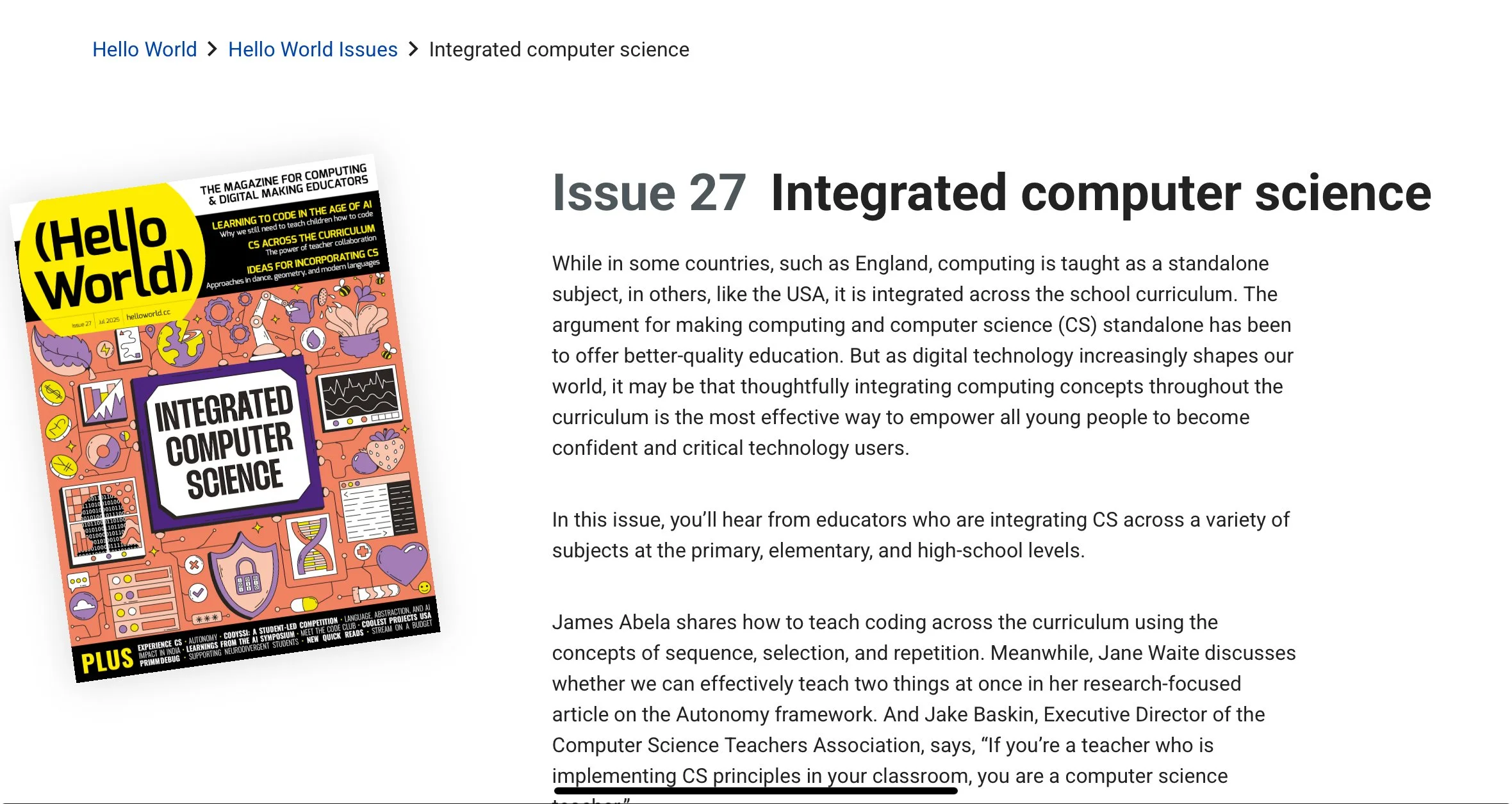
Alongside my work in coaching and therapy, I also support schools and organisations working with young people to develop responsible, forward-thinking AI policies. This includes helping staff understand the opportunities and risks of AI, and creating practical guidance that prioritises safety, inclusion, and digital literacy. I’m passionate about ensuring that technology serves the needs of all learners — and that young people are active participants in shaping its future. I was recently published in Hello World magazine on this very topic, and you can read my article here: https://www.raspberrypi.org/hello-world/issues/27